A. C. Maerlender, PhD, ABPP ©2025
Available on Amazon, hard cover & paperback
Preface
The early 1980’s seemed to be an extension of the 1970’s: despite the turmoil of civil rights and anti-war sentiment, many of us felt free to explore lifestyles and vocations not approved by our elders. It seemed time to explore different ways of relating to the society, even while the world was in turmoil.
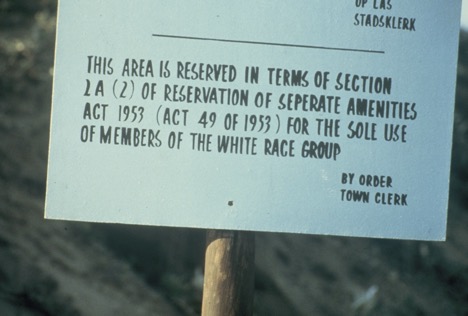
A trip to South Africa would be an adventure of a lifetime. And going at the peak of apartheid’s repression of non-white South Africans seemed like a reasonable attempt to poke a stick in the eye of apartheid while also being an opportunity for a righteous adventure.
Looking back from the 2020’s, the world was a very different place in 1981. Computers were not in public use, so there was no internet or social media, and the flow of information was slow. The international outcry against apartheid was a vague headline. The U.S. was not a hotbed of rugby either, so the demonstrations against South Africa’s Springboks national rugby team barely registered on our consciousness. In our naivete, we thought we were immune to the tide of international efforts against apartheid and could just show up.
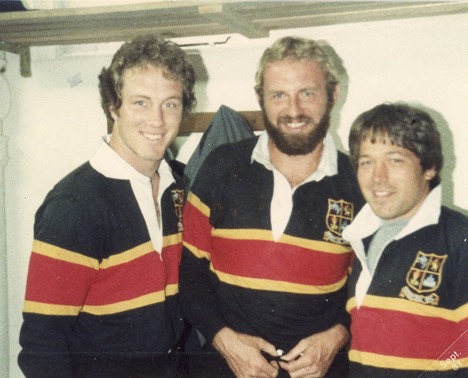
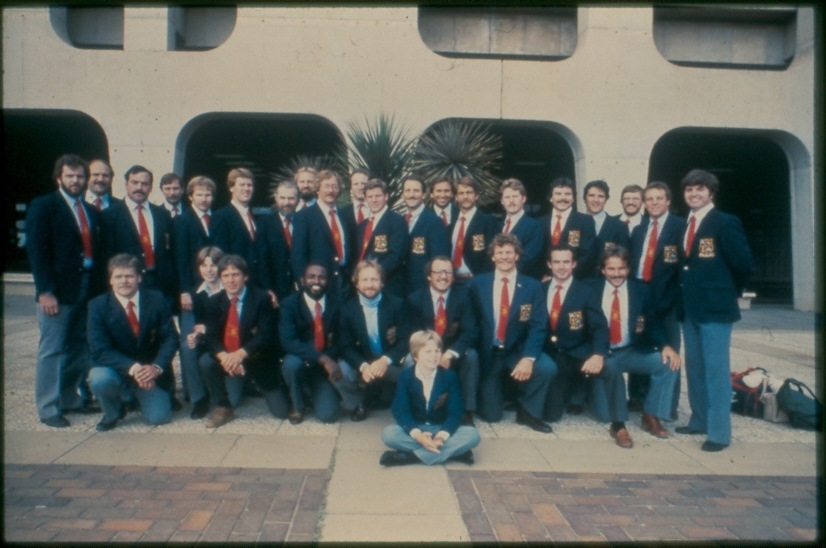
The Detroit rugby team was invited to go to South Africa by the then richest corporation in the world who had their own motivations for bringing a mixed-race team to play despite U.N. sanctions against it. As such, Anglo-American was very much a player in national and world politics in a political game far bigger than we realized
For three weeks thirty-three Americans became a pawn in the brutal game of apartheid. It was three weeks of eye-opening experiences and interactions that were bizarre, maddening, hilarious, frustrating, moving and fun. Still, we could never know if we moved the needle of apartheid or not. In fact, being censured by the United Nations for going illuminated how our support of the anti-apartheid cause was misunderstood: no good deed goes unpunished.
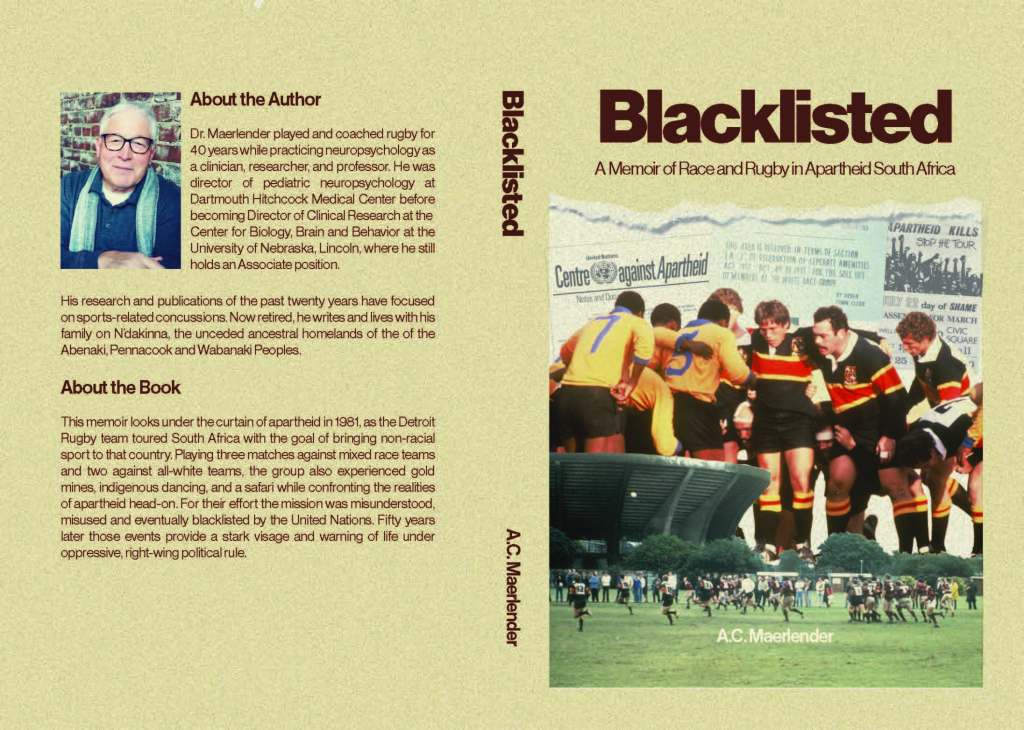
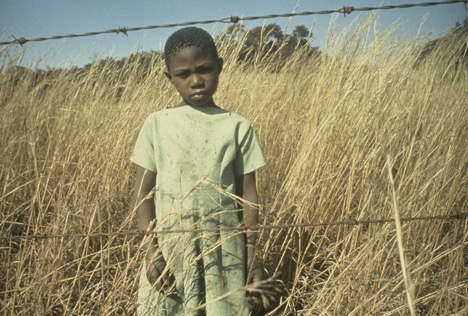
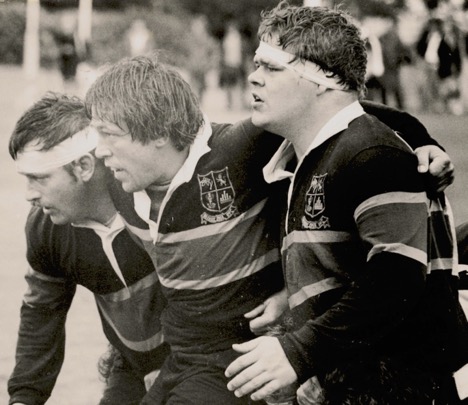
This is a story about a blacklisted rugby tour to a forbidden land. Yet more than that, it is a story of seeing under the covers of the veil of apartheid and how it infected a country in ways both large and small. This memoir captures those experiences and what came after.
 Neurosport NP